Period1890–1930
Impressionism
In Paris at the end of the 19th century, some composers set aside Romantic drama and look for colour, atmosphere and suggestion, like the painters who give them their name. They use ancient and exotic scales, chords that do not resolve and delicate timbres: the music describes a reflection in the water or a summer afternoon rather than a story.
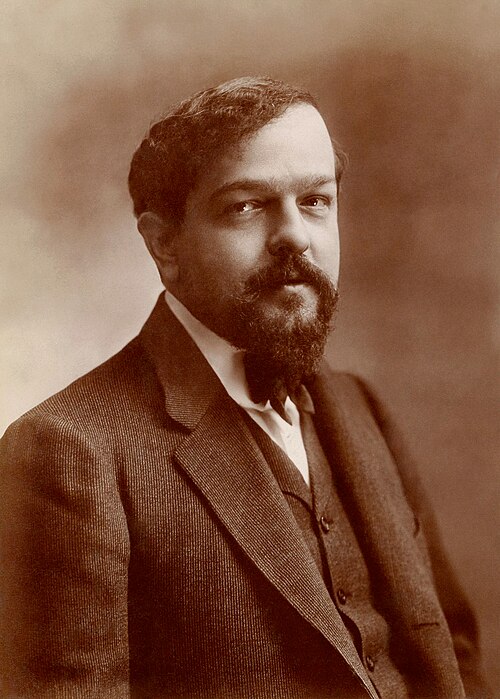
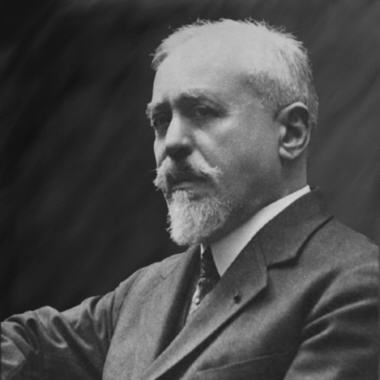
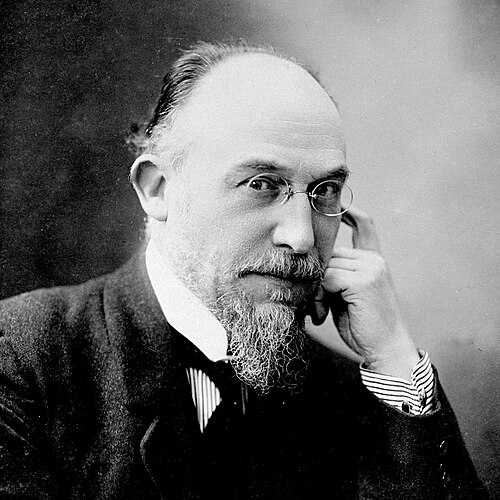
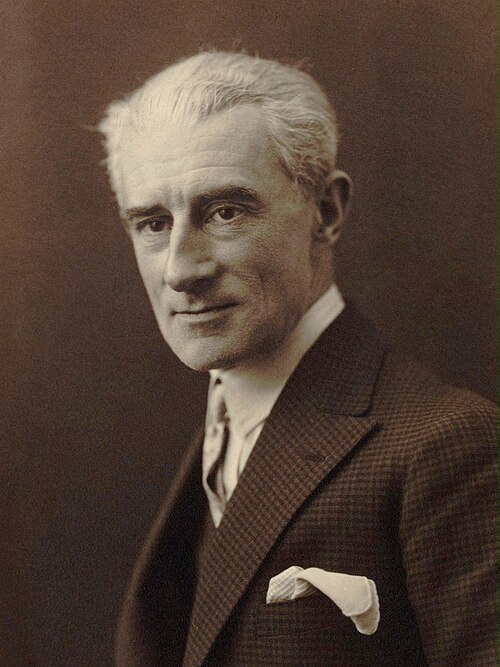
Debussy is at the centre of it all, with his preludes and his orchestra of colours. Ravel adds a watchmaker’s precision; Satie, an ironic simplicity that heralds the 20th century; Dukas and, in Rome, Respighi bring the same palette to the orchestra.
Composers
A selection
- Daphnis et Chloé, Suite No. 2RavelPhiladelphia Orchestra, Eugene Ormandy3 mvts16 min
- Prélude à l'après-midi d'un fauneDebussyPhiladelphia Orchestra, Leopold Stokowski (William Kincaid, flauta)9 min
- Gymnopédies (Nos. 1 and 3)SatieGregory Tait2 mvts7 min
- L'apprenti sorcierDukasMinneapolis Symphony Orchestra, Dimitri Mitropoulos10 min
- Dr. Gradus ad Parnassum (Children's Corner)DebussySergei Rachmaninoff2 min
- Gnossiennes (Nos. 1 and 3)SatieGregory Tait2 mvts8 min
- Golliwogg's Cakewalk (Children's Corner)DebussySergei Rachmaninoff3 min
- Fontane di RomaRespighiNew York Philharmonic, John Barbirolli15 min
- Deux arabesques, L. 66DebussyJosé Iturbi7 min
- Piano Concerto for the Left Hand in D majorRavelJacqueline Blancard, Orchestre de la Société des Concerts du Conservatoire, Charles Munch18 min
- Pavane pour une infante défunte / Rêverie (Debussy)RavelE. Robert Schmitz2 mvts10 min