Home
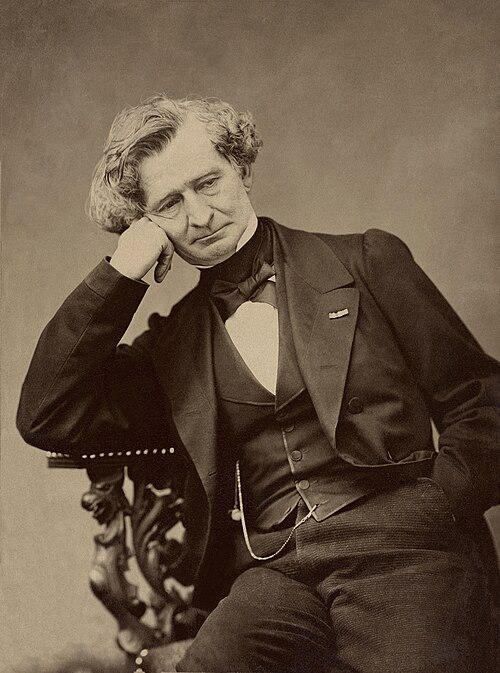
Les nuits d'été, Op. 7
Hector Berlioz 1803–1869
Eleanor Steber, Columbia Symphony Orchestra, Dimitri Mitropoulos - 32 min
Eleanor Steber, Columbia Symphony Orchestra, Dimitri Mitropoulos - 32 min
- Villanelle2:48
- Le Spectre De La Rose6:22
- Sur Les Lagunes7:17
- Absence5:40
- Au Cimetiere5:48
- Lile Inconnue3:53
Six poems by Théophile Gautier, taken from La comédie de la mort (1838), make up this cycle that Berlioz first published with piano in 1841. They run from the springtime lightness of “Villanelle” to the mourning of “Sur les lagunes” and the lament of “Absence”, and end with the fantastic barcarolle of “L’île inconnue”. Berlioz orchestrated “Absence” in 1843 and the rest in 1856, adjusting the keys and conceiving each song for a different voice.
With that orchestral version something new was born in France: the song cycle with orchestra, a genre later cultivated by Duparc, Chausson and Ravel. Today it is usually sung by a single voice, as in this 1954 recording by the American soprano Eleanor Steber with Dimitri Mitropoulos, one of those that helped bring the cycle back into the repertoire in the mid-twentieth century.
Curious works
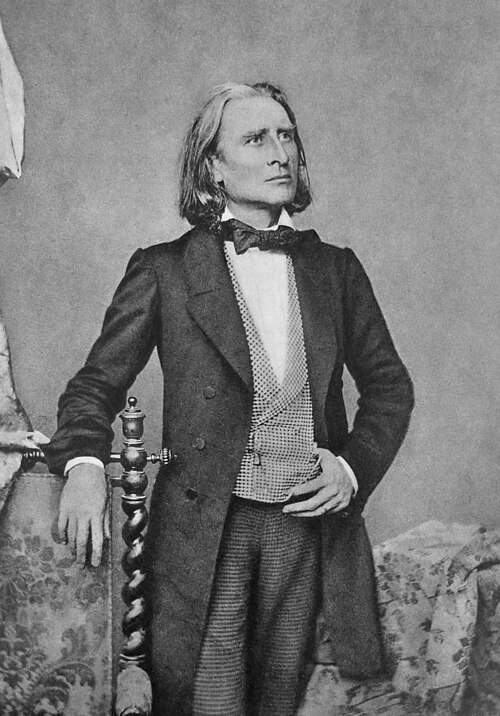
Because of the solo triangle in the scherzo, the critic Eduard Hanslick called it a “triangle concerto”.
Piano Concerto No. 1 in E-flat major, S. 124
Franz Liszt
Saint-Saëns would not let The Carnival of the Animals be published in his lifetime. The Swan was the one exception.
Le cygne (Le carnaval des animaux)
Camille Saint-Saëns
It does not last a minute: in its nickname, “minute” means tiny.
Waltz in D-flat major, Op. 64 No. 1 'Minute'
Frédéric Chopin
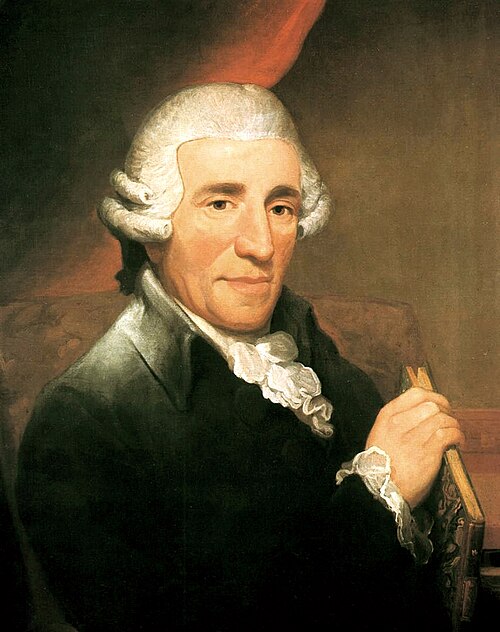
A fortissimo chord with timpani breaks into an almost childlike theme. Haydn said he wanted to surprise the audience, not wake it up.
Symphony No. 94 in G major, Hob. I:94 'Surprise'
Joseph Haydn