Context
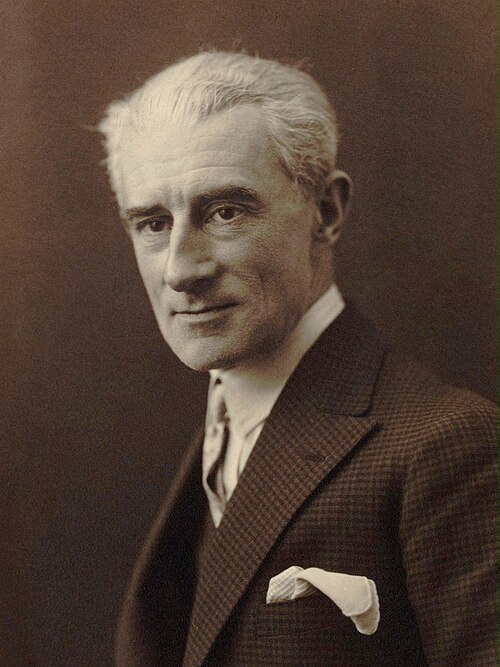
Ravel composed it between 1929 and 1930, at the same time as his G major Concerto, on commission from Paul Wittgenstein, an Austrian pianist who had lost his right arm in the First World War and commissioned works for the left hand from several composers. The challenge was to make one hand sound like two: Ravel solved it with wide arpeggios, melodies in the thumb and an opening cadenza that covers the whole keyboard.
It is a work in a single movement, dark and monumental, which begins with the contrabassoons in their lowest register and incorporates jazz rhythms in its central section. Wittgenstein gave the first performance in Vienna in 1932, but introduced changes into the score and fell out with Ravel. This 1938 recording, with Jacqueline Blancard and Charles Munch, is the first made of the work.
Jacqueline Blancard, Orchestre de la Société des Concerts du Conservatoire, Charles Munch
- Duration
- 18 min
- Source
- Transfer by Bob Varney
- Archive
- Internet Archive
- Licence
- Public domain (dedication)
The first recording of the work, from 1938 (Polydor).