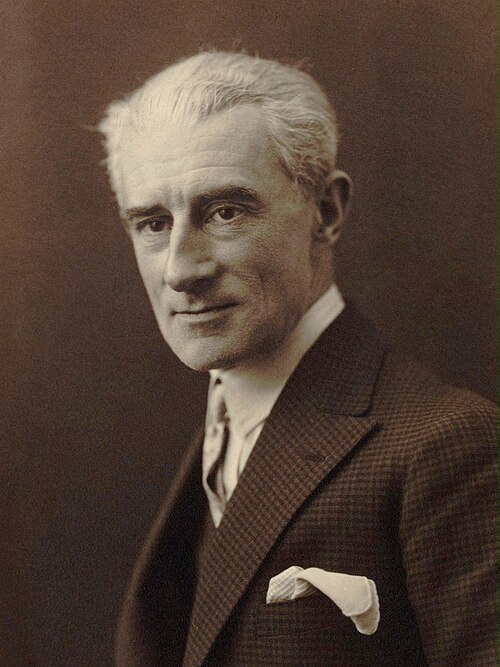
Context
Ravel wrote Daphnis et Chloé on commission from Sergei Diaghilev for the Ballets Russes, who first performed it in Paris in June 1912 with choreography by Michel Fokine, Nijinsky and Tamara Karsavina. It was based on the Greek pastoral novel by Longus and he called it a “choreographic symphony”: a continuous score, the longest in his catalogue, for large orchestra and wordless chorus.
The second suite takes the last part of the ballet without cuts: the daybreak, with the brooks in the woodwind and the song of the birds; the pantomime in which the lovers re-enact the story of Pan and Syrinx, with a long flute solo; and the final general dance, in a metre of five beats and a crescendo of enormous brilliance. It became one of the most played French orchestral works. This recording is by Eugene Ormandy with the Philadelphia Orchestra, from 1939.
Philadelphia Orchestra, Eugene Ormandy
- Duration
- 16 min
- Source
- Transfer by Bob Varney
- Archive
- Internet Archive
- Licence
- Public domain (dedication)
Recorded on 1 January 1939 (Victor DM 667).