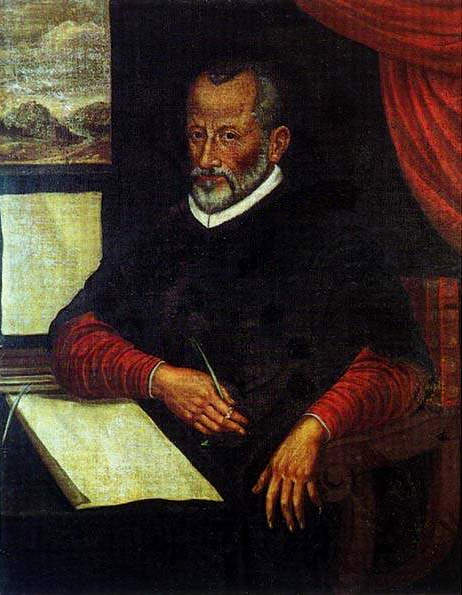
Renaissance
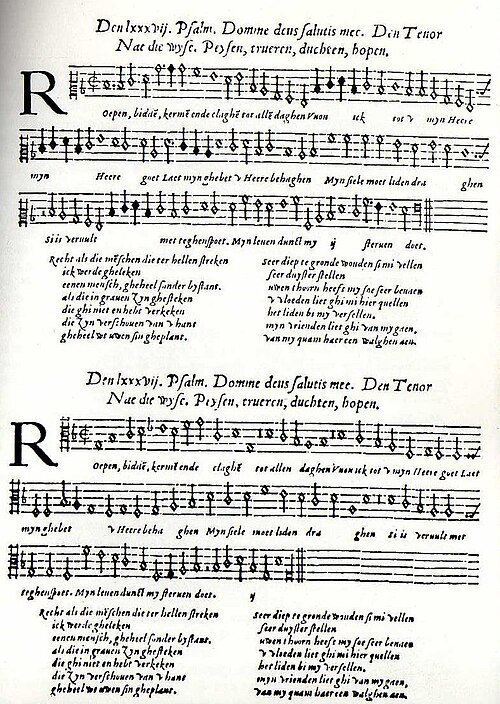
Between the end of the Middle Ages and 1600, the music of Europe is above all voices: choirs singing in cathedrals and royal chapels, with few or no instruments. It is the age of polyphony, several independent lines that interweave and imitate one another, and of the Latin of the Mass and the motet, although the madrigal brings the same technique to poems in the vernacular.
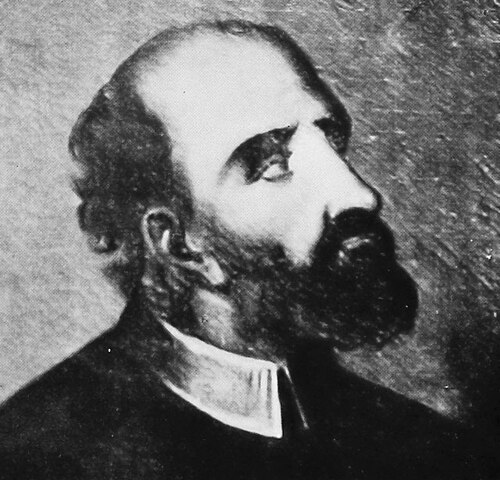
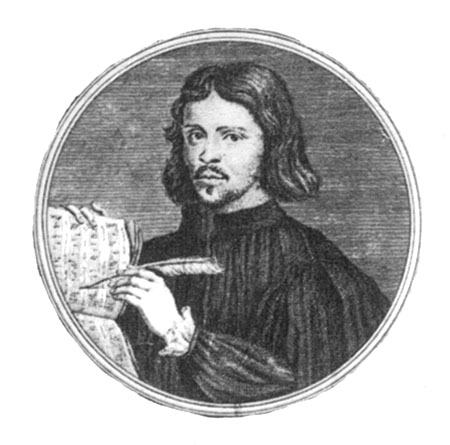
After the Council of Trent, Palestrina becomes the model of a clear polyphony in which the words can be understood. In England, Thomas Tallis and William Byrd write for a church that changes its creed with each monarch; in Flanders and Italy, Clemens non Papa and Cipriano de Rore take counterpoint and the madrigal to their most expressive point; in Seville and Toledo, Alonso Lobo.
Composers
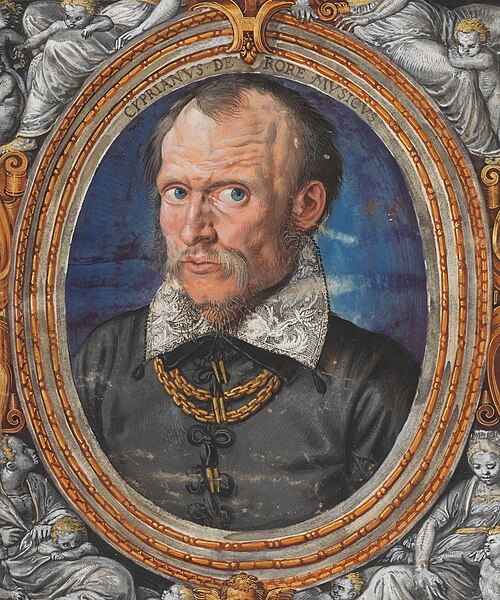
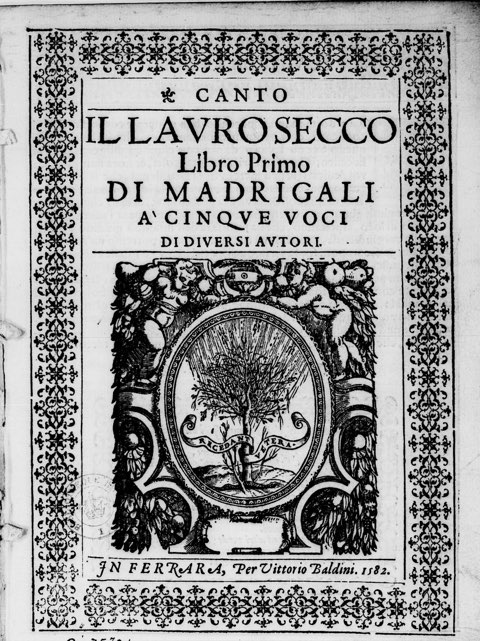
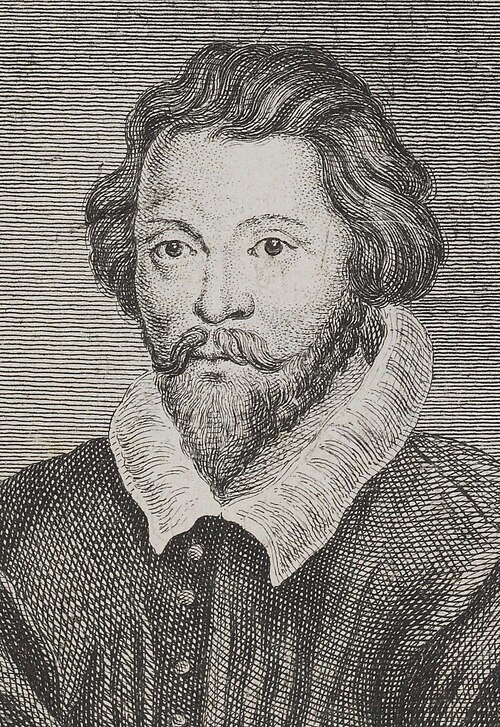
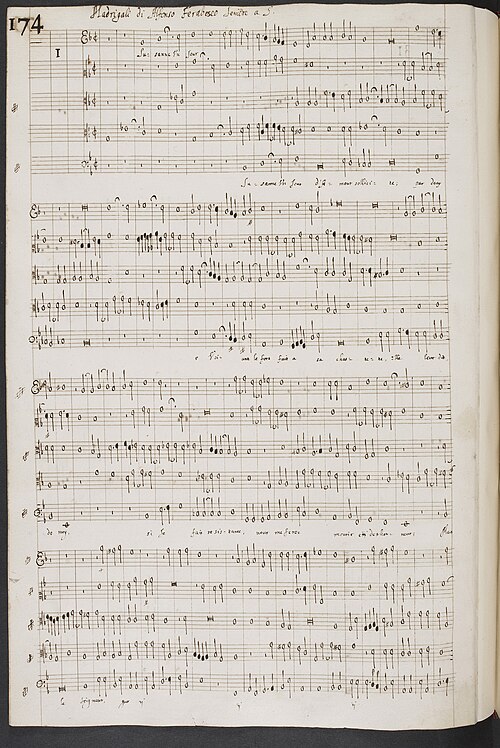
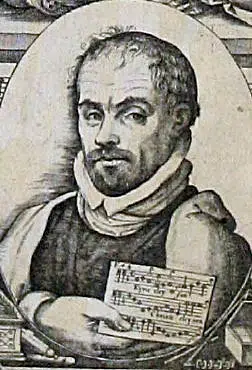
A selection
- Versa est in luctumLoboThe Tudor Consort5 min
- Civitas sancti tuiByrdThe Tudor Consort5 min
- Missa Praeter rerum seriem: Agnus DeiRoreThe Tudor Consort8 min
- Ego flos campiClemens non PapaThe Tudor Consort3 min
- Missa Sicut lilium inter spinas (with the motet)PalestrinaThe Tudor Consort6 mvts32 min
- Sicut lilium inter spinas / Introduxit me rexPalestrinaThe Tudor Consort6 min
- Missa Victimae Paschali Laudes (Easter Mass, with the plainchant propers)AnimucciaThe Tudor Consort20 mvts49 min
- Lamentations IIIFerraboscoThe Tudor Consort17 min
- Lamentations ITallisThe Tudor Consort9 min
- Apollinaris inclytiStabileThe Tudor Consort3 min