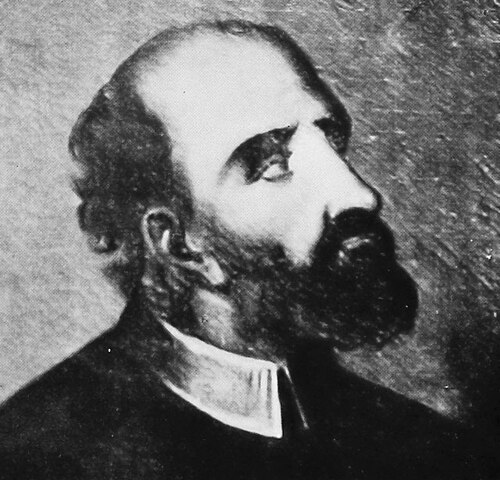
Missa Victimae Paschali Laudes (Easter Mass, with the plainchant propers)
Context
Animuccia succeeded Palestrina in 1555 as maestro of the Cappella Giulia at St Peter’s, a post Palestrina regained on his death, and was a musician at Philip Neri’s oratory, for which he wrote spiritual laude. This six-voice Mass was published in Rome in 1567 in his Missarum liber primus, a book presented as meeting what the Council of Trent had asked: that the text be understood. The music, however, is far more polyphonic than syllabic.
The whole Mass is built on the Easter sequence Victimae paschali laudes, a Gregorian melody in a minor mode that appears in one of the upper voices and is imitated by the others. In this recording the polyphonic ordinary is interleaved with the plainchant propers of the Easter Mass, so that the complete celebration is heard and the ear recognises in the polyphony the melody that has just sounded alone.
The Tudor Consort
- Duration
- 49 min
- Source
- The Tudor Consort
- Archive
- Internet Archive
- Licence
- CC BY 3.0
Wellington chamber choir (New Zealand) that publishes its concerts under CC BY on the Free Music Archive; mirrored on the Internet Archive. The concert reconstructs a complete Easter Mass: the ordinary is by Animuccia and the propers are plainchant.