Context
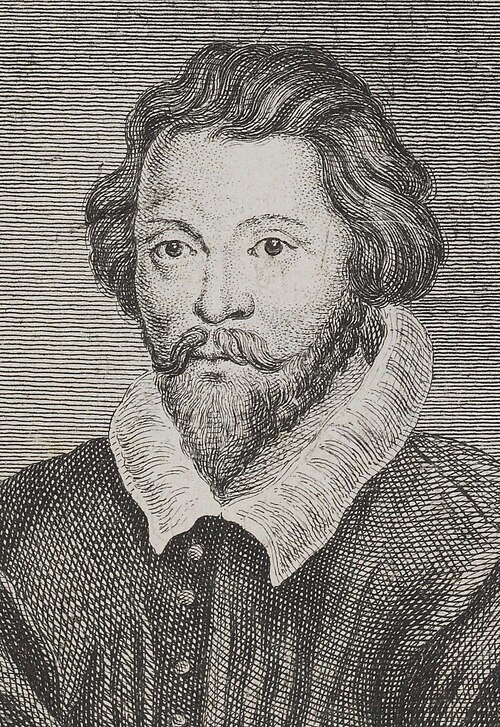
Byrd published his three masses in London in the early 1590s in editions without title page, date or printer's name: in Elizabeth I's England a Catholic mass was a compromising document. Only in 1966 did a study of the wear on the woodcut initials make it possible to attribute them to Thomas East and to date the four-part mass to around 1592-1593; it was probably the first of the three. They were intended for clandestine masses in the houses of Catholic recusants, such as those of his patron Sir John Petre in Essex.
Byrd took as his model John Taverner's Mean Mass, above all in the staggered opening of the Sanctus, and alternates sections for few voices with the tutti. The Agnus Dei, which moves from two to three and four voices, culminates in a “dona nobis pacem” of chained suspensions, one of the most admired passages in his output. It is sung by the Ensemble Morales in a concert on 4 January 2010 in the church of San Miguel in Murcia.
Ensemble Morales
- Duration
- 23 min
- Source
- Ensemble Morales
- Archive
- Wikimedia Commons
- Licence
- CC BY 3.0
Concierto del 4 de enero de 2010 en la iglesia de San Miguel de Murcia. El propio conjunto lo dedicó al dominio público en Internet Archive; los archivos de Commons son la copia de Musopen, con CC BY 3.0.