Context
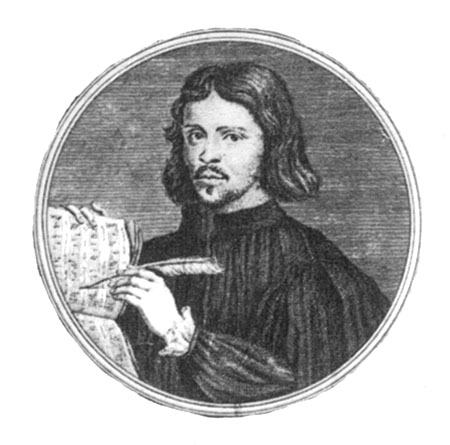
When Philip of Spain came to England in 1554 to marry Mary Tudor, who had restored the Sarum rite, he brought with him the singers of his chapel. Tallis, by then in the Chapel Royal, wrote several seven-part works in the Flemish style at that time, and on account of that same scoring it is thought that this Vespers respond, like the motet Suscipe quaeso Domine and Miserere nostri, was intended for those singers.
The text comes from the account of Pentecost in the Acts of the Apostles: the apostles spoke in diverse tongues of the wonderful works of God. Tallis served four monarchs at court, from Henry VIII to Elizabeth I, and adapted his style to the demands of each reign. It is sung by The Tudor Consort, a choir from Wellington (New Zealand) founded in 1986 by Simon Ravens for the choral music of the Renaissance, above all English music of the 16th century, in a 2010 recording.
The Tudor Consort
- Duration
- 4 min
- Source
- The Tudor Consort
- Archive
- Wikimedia Commons
- Licence
- CC BY-SA 3.0
Coro de cámara de Wellington (Nueva Zelanda) que publicó sus conciertos en Free Music Archive; esta grabación está en Wikimedia Commons con CC BY-SA 3.0 (licencia revisada).