Context
The dancer Ida Rubinstein asked Ravel to orchestrate pieces from Albéniz's Iberia, but an existing orchestration by Enrique Fernández Arbós stood in the way and Ravel opted for a new work on the rhythm of the bolero. He played the melody with one finger to his friend Gustave Samazeuilh and told him he would repeat it without development, gradually increasing the orchestra. The ballet was first performed at the Paris Opéra on 22 November 1928.
Over a snare-drum rhythm heard 169 times, two melodies alternate in ever-new instrumentation in a continuous crescendo, until an abrupt shift to E major breaks the C major for a moment. Ravel said it had no form and no development, and he was surprised that it became his most famous work.
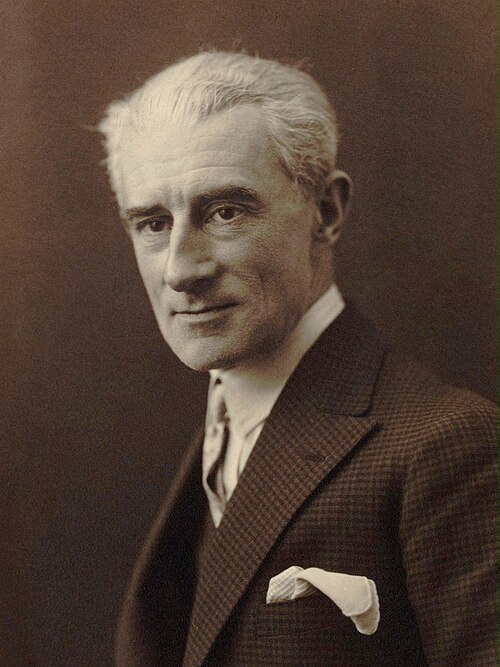
This is his own recording with the Lamoureux Orchestra for Polydor, from January 1930, which has been taken as the reference for his tempo: Furtwängler used it as a model when conducting the work in Berlin.
Orchestre Lamoureux, Maurice Ravel
- Duration
- 15 min
- Archive
- Internet Archive
- Licence
- CC0 1.0 · public domain
Ravel dirige a la Orquesta Lamoureux en la grabación de Polydor de enero de 1930 (Polydor 566030/31), aquí en la edición estadounidense de Brunswick (90039-90042, cuatro caras); transfer con ruido de superficie y filtrado.