Context
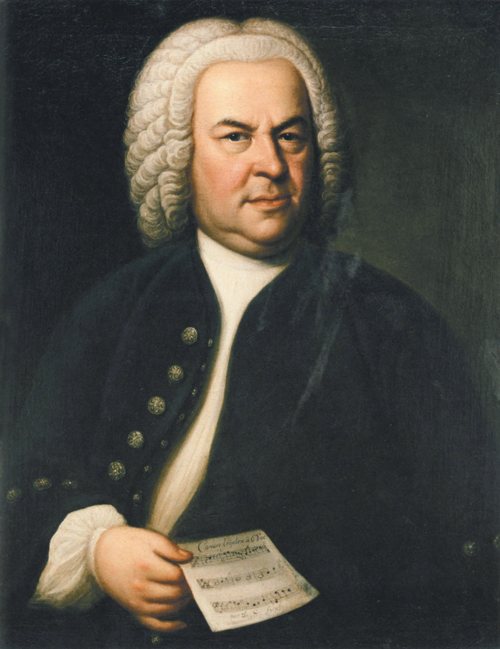
Around 1713–14, in Weimar, Bach arranged for solo keyboard a series of Italian concertos for strings. The young Prince Johann Ernst of Saxe-Weimar, who was returning from studying in Holland, had brought back scores of the new Italian music, and the court took an interest in the genre. This is the first of the harpsichord arrangements in the group BWV 972–987 and is based on Antonio Vivaldi’s Violin Concerto in D major, Op. 3 No. 9, published in the collection L’estro armonico (1711).
Bach did not limit himself to copying: he filled out the harmonies, added inner voices and adapted the violin writing to the keyboardist’s hand. The work served him as a study of Italian ritornello form, which he would later apply in his own concertos and, for harpsichord, in the Italian Concerto.
Wanda Landowska
- Duration
- 9 min
- Source
- Internet Archive (colección Landowska)
- Archive
- Internet Archive
- Licence
- CC0 1.0 · public domain
Fourth batch of the Landowska collection: the 1933 Goldberg Variations, the Italian Concerto, the Toccata BWV 912 and others.