Context
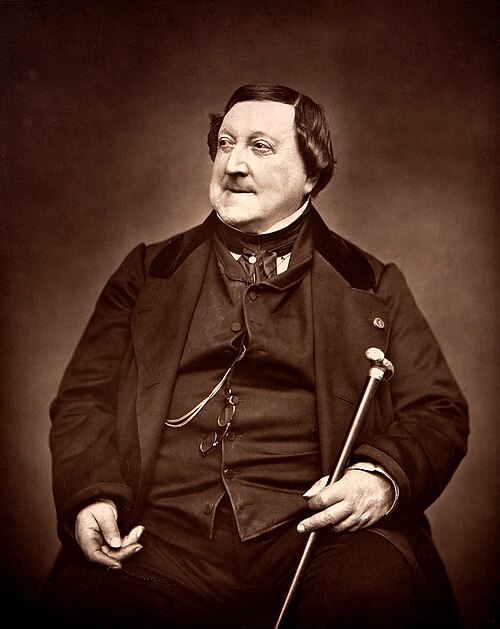
Rossini had not written an opera for more than thirty years when he composed this Mass, the largest work of his retirement in Paris. It is neither small nor entirely solemn, and the title plays on that contradiction. The original version calls for twelve singers, two pianos and harmonium, a domestic scoring intended for the private chapel of Count Pillet-Will, where it was first performed in 1864. In the dedication Rossini joked about his “twelve singers of three sexes” and commended himself to God with humour.
The score mixes academic fugues with operatic melodies and unexpected harmonies, as in the “Crucifixus” or in the religious prelude for harmonium that replaces the offertory. In 1867 he orchestrated it, fearing that others would do so after his death; that version was first heard in 1869, after the composer had died. Both now coexist, and many performers prefer the original for its transparency.
Score
- Source
- Wikimedia Commons
- Licence
- Public domain
St Matthews Choir
- Duration
- 1 h 23 min
- Source
- St Matthews Choir
- Archive
- Internet Archive
- Licence
- Public domain (dedication)
Live recording of 2009.