Context
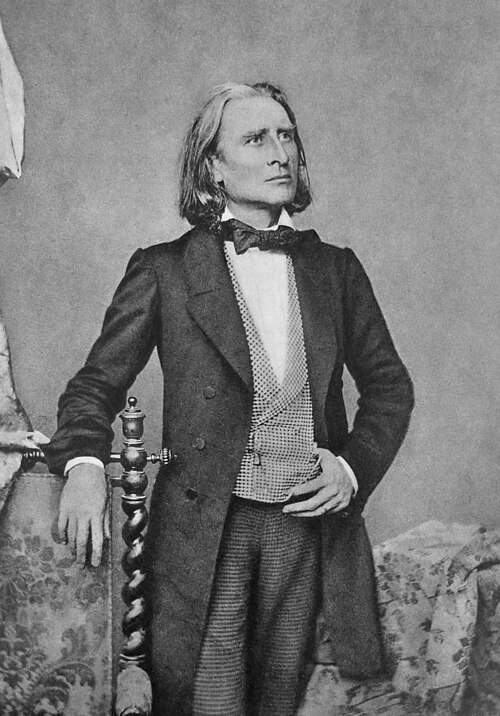
Liszt conceived these pieces between 1837 and 1839, during his travels in Italy with Marie d’Agoult, and revised them thoroughly before publishing them in 1858. The second of his “years of pilgrimage” is a diary of artistic impressions rather than of landscapes: Sposalizio starts from Raphael’s painting of the marriage of the Virgin, which he saw in Milan; Il penseroso from the statue of Lorenzo de' Medici sculpted by Michelangelo; the Canzonetta del Salvator Rosa adapts a song attributed to the Neapolitan painter.
The three Petrarch Sonnets are piano versions of songs that Liszt had written on those poems, and they keep their vocal line. The cycle culminates in Après une lecture du Dante, a “fantasia quasi sonata” inspired by the Divine Comedy, with a tritone that evokes hell and a transformation of themes that anticipates the Sonata in B minor. The collection has a separate supplement, Venezia e Napoli.
Score
- Source
- Wikimedia Commons
- Licence
- Public domain
Roberto Poli
- Duration
- 57 min
- Source
- OnClassical
- Archive
- Internet Archive
- Licence
- CC BY-SA 3.0