Context
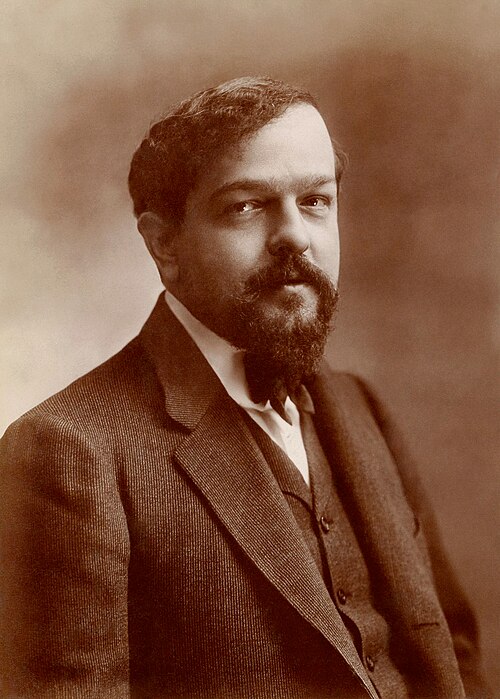
Debussy began Pelléas et Mélisande with this scene. When Maeterlinck gave him permission, in 1893, to set his play to music, he was already working on the great love duet of the fourth act, of which he had a first draft at the beginning of September. The opera would take almost a decade to reach the Opéra-Comique, where it was premiered on 30 April 1902 with André Messager in the pit.
Beside a fountain in the park, Pelléas, who must leave, sees Mélisande for the last time. At last they confess their love to each other. They hear the castle gates closing, they kiss, and Golaud, who has been spying on them from behind a tree, kills Pelléas with his sword; Mélisande flees, wounded.
The baritone Charles Panzéra, for whom Pelléas was the role of his life, and the soprano Yvonne Brothier recorded the scene on 30 March 1927, as part of the selection from the opera conducted by Piero Coppola, artistic director of La Voix de son maître.
Charles Panzéra, Yvonne Brothier, Piero Coppola
- Duration
- 8 min
- Archive
- Internet Archive
Gramophone W 841, grabado el 30 de marzo de 1927 dentro de la selección de Pelléas dirigida por Piero Coppola.