Context
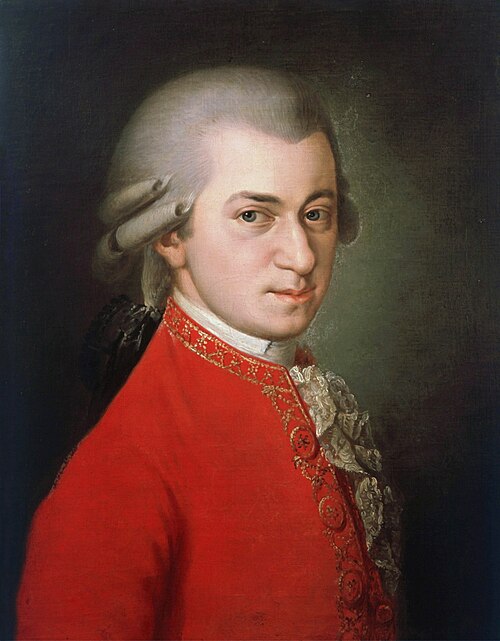
Mozart finished it in Salzburg on 6 April 1774, at the age of eighteen, for an orchestra reduced to oboes, horns and strings. Together with No. 25 it is the best known of his youthful symphonies, and Stanley Sadie regarded it as a landmark for its personal tone, which combines the intimacy of chamber music with a drive that is still impetuous.
The graceful opening theme rests on a falling octave leap that reappears in the theme of the finale, an allegro in 6/8. The Andante is played with muted strings and discreet use of the winds; the minuet moves forward with nervous dotted rhythms and staccato phrases, and the trio offers a gentler contrast. Bruno Walter, who had been Mahler's collaborator and for whom Mozart was one of the pillars of his career, recorded it on 29 and 30 December 1954 with the Columbia Symphony Orchestra, an ensemble of musicians brought together by the Columbia label for recording.
Columbia Symphony Orchestra, Bruno Walter
- Duration
- 21 min
- Source
- Emilio's 78 heritage
- Archive
- Internet Archive
Grabada los días 29 y 30 de diciembre de 1954; transferida de la cara A del LP Philips A 01432 L.