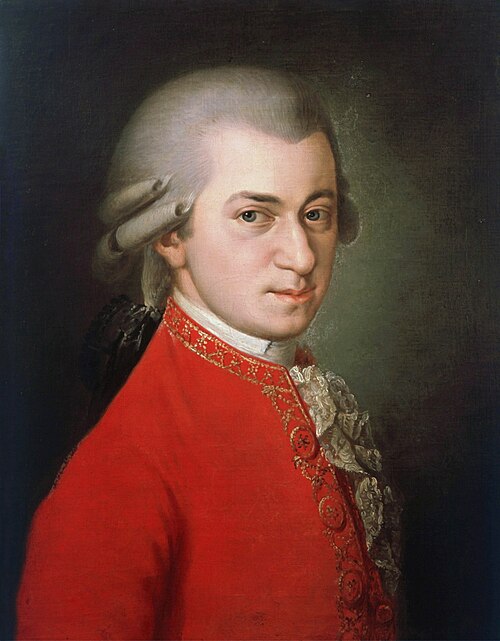
Context
It was Mozart’s first collaboration with the librettist Lorenzo Da Ponte, who adapted Beaumarchais’s comedy La folle journée, ou Le mariage de Figaro, banned from the Viennese theatres for its criticism of the privileges of the nobility. Da Ponte softened the political content and kept the intrigue: in a single day, the servant Figaro and the maid Susanna thwart Count Almaviva’s attempts to seduce her, with the complicity of the Countess. It was first performed at the Burgtheater in Vienna on 1 May 1786.
The novelty lies in the ensembles: duets, trios and extended finales in which several characters sing at once with differing temperaments and the action moves on without interruption, above all in the long finale of the second act. In Vienna it was staged with moderate success; in Prague, at the end of 1786, it was a triumph that led to the commission for Don Giovanni. It has never left the repertoire since. Its best-known page outside the theatre is the overture.
Renato Capecchi, Irmgard Seefried, Dietrich Fischer-Dieskau, Maria Stader, Hertha Töpper, RIAS-Symphonie-Orchester, Ferenc Fricsay
- Duration
- 2 h 43 min
- Source
- Ferenc Fricsay
- Archive
- Internet Archive