Context
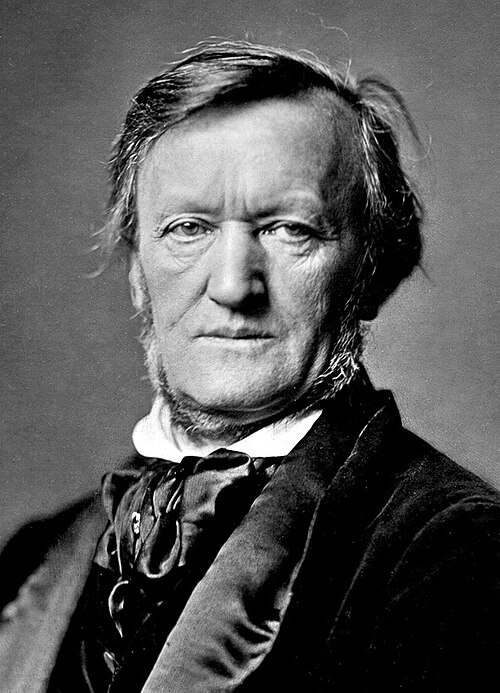
Wagner composed Lohengrin between 1846 and 1848, when he was Kapellmeister in Dresden. After taking part in the revolution of May 1849 he had to flee Germany, and the opera was premiered without him in Weimar in August 1850, under the direction of Franz Liszt. Wagner did not see it performed in full until 1861.
The prelude is an early example of what Wagner would later seek: it neither summarises the action nor quotes the main melodies, but creates an atmosphere. According to his own programme, it represents the descent of the Grail from heaven, borne by angels, and its return. It begins with divided violins in the high register, in pianissimo and in A major; the theme is then passed to the woodwinds, to the horns and to the whole orchestra, which grows to a single climax in fortissimo and fades again into the heights. It is one of Wagner’s most performed pages in concert and anticipates the sonority of his last opera, Parsifal, also devoted to the Grail.
London Symphony Orchestra, Siegfried Wagner
- Duration
- 8 min
- Source
- Onkel Greifenklau
- Archive
- Internet Archive
Conducted by Siegfried Wagner, the composer's son.