Context
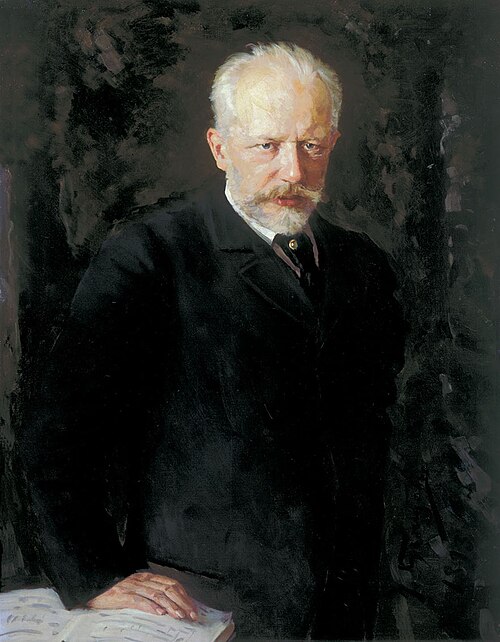
Tchaikovsky wrote the Fourth between 1877 and 1878, in the months of his failed marriage, and dedicated it to Nadezhda von Meck, the patroness with whom he kept up a long friendship by letter without ever meeting her in person; he wanted to inscribe it “To my best friend”. Nikolai Rubinstein gave the premiere in Moscow on 22 February 1878, while the composer was in Florence.
At her request, Tchaikovsky explained a programme: the brass fanfare that opens the work is fate, which prevents happiness from being attained, and it returns in the finale. To Sergei Taneyev he wrote that the central idea was the same as that of Beethoven's Fifth. The scherzo is played with the strings pizzicato from beginning to end, and the finale quotes the folk song “In the field stood a birch tree”. This symphony begins the path that leads to the Pathétique. Wilhelm Furtwängler recorded it with the Vienna Philharmonic in January 1951.
Wiener Philharmoniker, Wilhelm Furtwängler
- Duration
- 45 min
- Source
- EMI (HMV)
- Archive
- Wikimedia Commons
- Licence
- Public domain (dedication)
Grabación de estudio de EMI en Viena (enero de 1951), publicada por HMV en LP (serie ALP); en Commons como dominio público por la regla europea de los fonogramas (PD-EU-audio).