Context
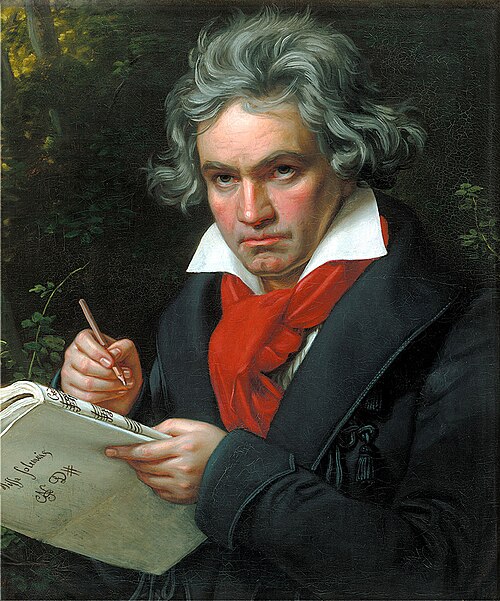
Beethoven conceived the F major sonata as a companion to Op. 23, which it complements in key and character, but they were published separately, in 1801. Both are dedicated to Count Moritz von Fries, to whom he also offered the Quintet Op. 29 and, years later, the Symphony No. 7. The nickname “Spring” is not his: it was given after his death.
It is the first of his violin sonatas in four movements. The violin opens with one of the best-known themes in all his chamber music; after an adagio molto espressivo comes a very short scherzo in which the violin seems always to be out of step with the piano, and a rondo closes the work.
It is recorded by Adolf Busch and Rudolf Serkin on 17 May 1933. Serkin had been his duo partner since the age of eighteen and in 1935 would marry Irene, the violinist's daughter.
Adolf Busch, Rudolf Serkin
- Duration
- 21 min
- Source
- Onkel Greifenklau
- Archive
- Internet Archive
Grabada el 17 de mayo de 1933 (HMV DB 1970-1972).