Context
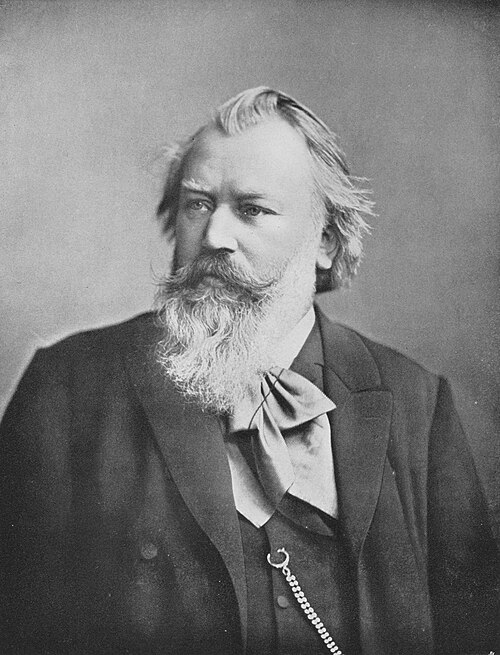
Brahms wrote the sixteen waltzes of Op. 39 in 1865 for piano duet and dedicated them to the Viennese critic Eduard Hanslick, who was surprised that the serious musician from the north should devote himself to a dance so closely associated with Vienna. Brahms had lived in the city since 1862, and these pieces reflect both the Strauss waltz and the ländler of Schubert, whom he admired.
They are miniatures of one or two minutes with echoes of Hungarian and folk dances. Their success led Brahms to prepare two arrangements for solo piano, one of them simplified, and in that form Wilhelm Backhaus plays them here in 1932. No. 1 opens with an energetic impulse, No. 2 is more restrained, and No. 15, in A flat major, became one of Brahms’s most popular melodies, to the point of circulating in arrangements for every kind of instrument.
Score
- Source
- Wikimedia Commons
- Licence
- Public domain
Wilhelm Backhaus
- Duration
- 4 min
- Source
- Onkel Greifenklau
- Archive
- Internet Archive