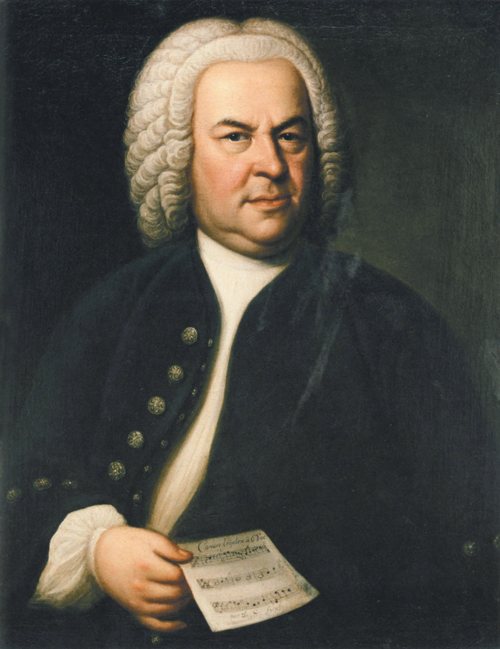
Context
It belongs to the group of seven toccatas for manual keyboard (BWV 910–916) that Bach wrote in his youth, in the years at Arnstadt, Mühlhausen and the first at Weimar. We know them from copies by pupils and relatives. They follow the model of the north German toccata, that of Buxtehude, in which free improvisatory sections and fugal sections succeed one another.
This one in D major opens with a quick run and a brilliant Allegro in concerto style. Then come an adagio of shifting harmonies, a fugue at moderate speed, a passage of free recitative and a last fugue in gigue rhythm. The work is a showcase of the young Bach’s virtuosity and of his way of bringing together, in a single piece, the styles he was studying.
Score
- Source
- Wikimedia Commons
- Licence
- Public domain
Wanda Landowska
- Duration
- 13 min
- Source
- Internet Archive (colección Landowska)
- Archive
- Internet Archive
- Licence
- CC0 1.0 · public domain
Fourth batch of the Landowska collection: the 1933 Goldberg Variations, the Italian Concerto, the Toccata BWV 912 and others.