Context
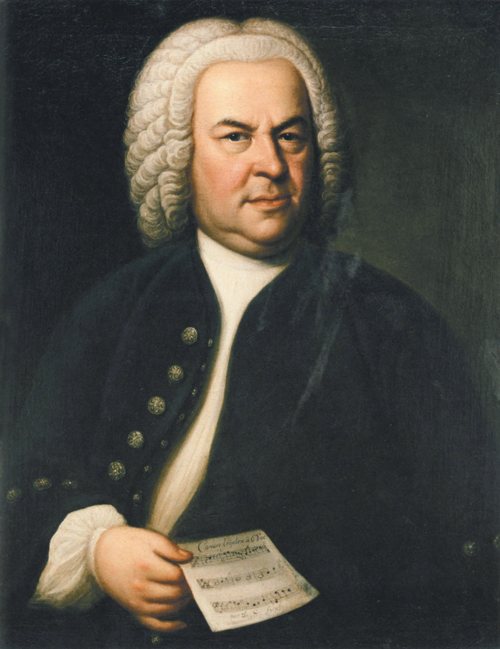
Bach wrote the Passacaglia in C minor in his youth, probably between 1706 and 1713, perhaps in Arnstadt after his visit to Buxtehude in Lübeck; the autograph is lost. The first half of the theme comes almost certainly from a piece by the French organist André Raison, and the work owes much to the chaconnes of Buxtehude and Pachelbel.
The eight-bar bass is heard first alone in the pedals and then supports twenty variations of increasing density, with a climax around the twelfth and a group of quieter variations before the end. Without a pause, the fugue takes the first half of the theme as its subject. Schumann admired how ingeniously the variations were interwoven. Stokowski and Respighi orchestrated it, as Stokowski did with the Toccata and Fugue in D minor. It is played by Andreas Arand live, in 1985, on the Klais organ of the Kreuzbergkirche in Bonn, as part of a complete cycle of Bach’s organ works.
Andreas Arand
- Duration
- 15 min
- Source
- Andreas Arand
- Archive
- Wikimedia Commons
- Licence
- CC BY-SA 4.0
Grabación en directo de 1985 en el órgano Klais de la Kreuzbergkirche de Bonn, dentro de una integral de la obra para órgano de Bach. Publicada por el propio organista con CC BY-SA 4.0 (permiso confirmado por VRT en Wikimedia Commons).