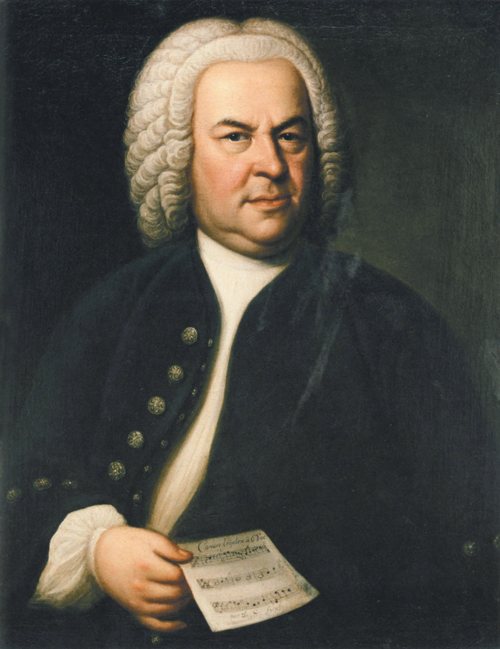
Context
It is the fourth of the six concertos that Bach made a fair copy of in 1721 for Margrave Christian Ludwig of Brandenburg, a collection that brings together a different instrumental combination in each work. Here the solo group consists of a violin and two “fiauti d’echo”, a term that appears only in this score and has given rise to much debate: most performers use recorders, though the flageolet has also been proposed.
The violin has a part of great virtuosity, above all in the third movement, a fugue that combines contrapuntal writing with passages in the manner of an Italian concerto soloist. The recorders, by contrast, contribute colour and dialogue, with echo effects in the central Andante. Later, in Leipzig, Bach adapted the work as a harpsichord concerto, in F major (BWV 1057). It shares its key with the Third Concerto, which is for strings alone.
Berliner Philharmonisches Orchester, Alois Melichar
- Duration
- 19 min
- Source
- Onkel Greifenklau
- Archive
- Internet Archive
Five sides of 78 rpm (Grammophon 27307-09).