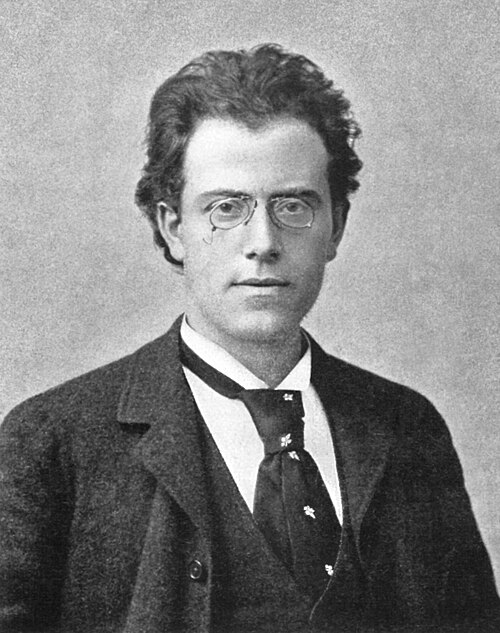
Context
Mahler composed it in the summers of 1901 and 1902 and first performed it in Cologne in 1904. It is the first of his symphonies since No. 1 without voices or texts, after three that included songs, and it opens a period of more contrapuntal writing. It is organised in five movements grouped in three parts: a funeral march that begins with a trumpet solo and a stormy allegro; an enormous scherzo with obbligato horn; and the Adagietto for strings and harp, followed by a brilliant rondo finale.
The path runs from the darkness of C sharp minor to the light of the final D major. Mahler retouched the orchestration almost to the end of his life, aware that the density of the writing hindered clarity. It is one of his most performed symphonies, partly because of the fame of the Adagietto.
Peabody Symphony Orchestra, Hajime Teri Murai
- Duration
- 1 h 11 min
- Archive
- Internet Archive
- Licence
- Public domain (dedication)