Context
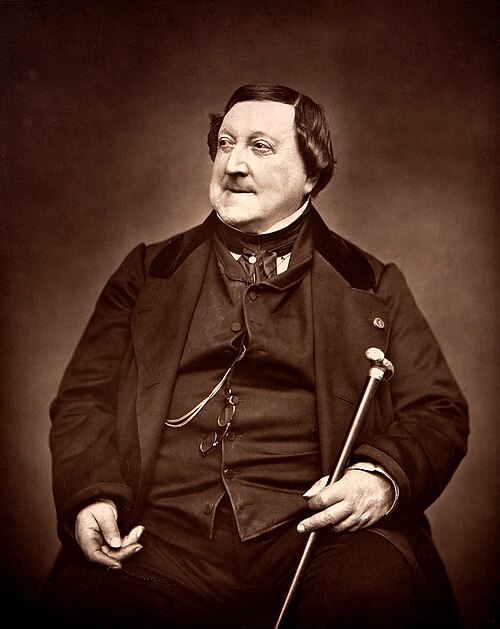
Figaro makes his entrance in the first act introducing himself as the town’s factotum, the barber everyone calls for. Rossini wrote the role for Luigi Zamboni, who created it at the Teatro Argentina in Rome on 20 February 1816. The cavatina, in C major and in 6/8, moves in continuous quavers at an allegro vivace tempo, with a very high tessitura and a tongue-twister of superlatives; the repeated cries of “Figaro!” before the close have become an emblem of operatic singing, from cartoons to the cinema.
Titta Ruffo, the baritone from Pisa known as “the voice of the lion”, recorded it in 1906, the year he began recording exclusively for the Gramophone Company after his first discs with Pathé.
Titta Ruffo
- Duration
- 4 min
- Source
- Onkel Greifenklau
- Archive
- Internet Archive
Del CD 1 de la EMI Centenary Edition (1997), con discos de Gramophone & Typewriter, Fonotipia y Odeon de 1901 a 1906; la fecha y el número de cada uno van en el nombre del archivo. Entre ellos, Grieg tocando su «Til våren» (París, 1903), Sarasate su Caprice basque (1904, recortado para caber en una cara), Mary Garden con Debussy al piano (1904), Joachim (1903) y los creadores de Otello y Yago, Francesco Tamagno (1903) y Victor Maurel (1904).