Context
Tosca was first performed in Rome in January 1900, based on Victorien Sardou’s play. This aria occurs in the second act, in the midst of the scene with Scarpia, the chief of police who blackmails her: the life of her lover, Cavaradossi, in exchange for her giving herself to him. Cornered, Tosca turns to God and asks why he punishes her, who has lived for art and for love and has always been devout.
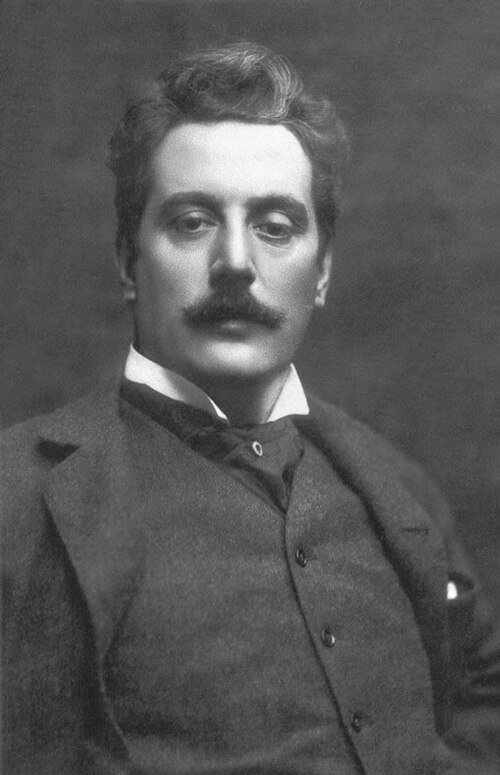
Puccini conceived it as a moment of suspended action, and even thought of removing it because it slowed the pace of the act. The melody, broad and in the tone of a prayer, starts quietly and reaches a climax on a high note before withdrawing. It is the most famous aria in the opera, and many sopranos have sung it lying down or kneeling, as Maria Jeritza did in the 1920s.
Maria Németh
- Duration
- 3 min
- Archive
- Internet Archive
Polydor 66622 (1927).
Adelina Agostinelli
- Duration
- 3 min
- Archive
- Internet Archive
- Licence
- Public domain (dedication)
Edison cylinder recorded in Europe in 1913.