Context
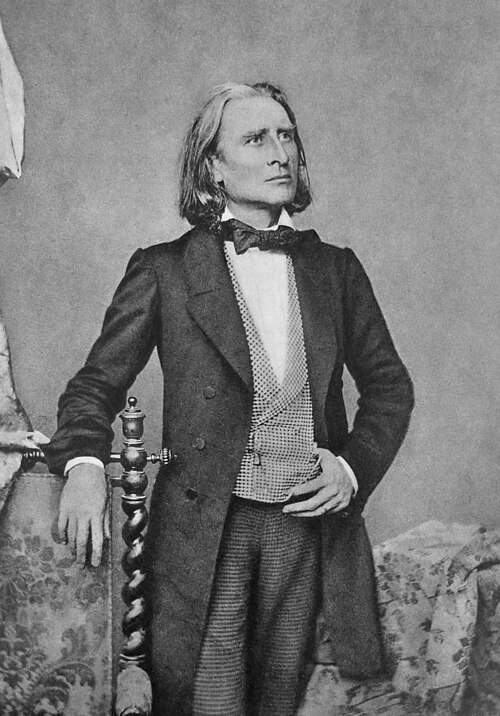
Hungarian Rhapsody No. 11, in A minor, is one of the shortest of the fifteen that Liszt published between 1851 and 1853. It begins with a slow, free introduction in which the piano imitates the cimbalom, the dulcimer of the Hungarian Gypsy bands, with tremolos and arpeggios in the treble, and accelerates by stages to a brilliant final friska, like the rest of the series.
The Rhapsodies rework melodies that Liszt heard from Gypsy musicians and took for Hungarian folk music; many were in fact songs by urban composers of his time. It is played by the Cuban pianist José Echániz in 1925, three years after his New York debut, in one of Columbia’s first electrical recordings. The most famous of the series is the second.
José Echániz
- Duration
- 6 min
- Archive
- Internet Archive
Columbia 135-M, from the label's first electrical recordings; both sides joined.