Context
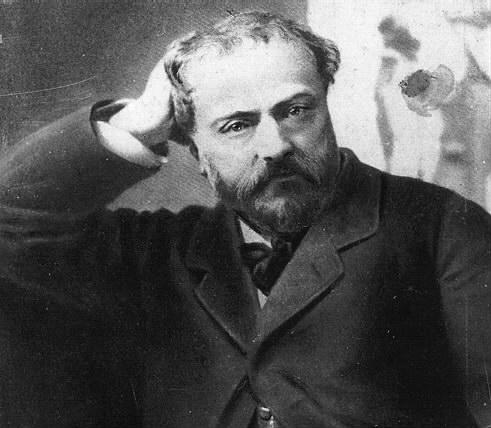
Chabrier travelled through Spain in 1882 and returned with a notebook full of melodies and rhythms he had heard in Andalusia and Aragon. España was born of that experience: an orchestral rhapsody first performed at the Concerts Lamoureux in Paris in November 1883 with immediate success, which brought him fame overnight.
The work mixes a jota and a malagueña, with superimposed rhythms of three and two beats, harp glissandos imitating the guitar and very active percussion. Chabrier, who had no academic training as a musician and orchestrated with freedom, sought colour and energy before authenticity. Ravel and Falla held it in high regard, and Émile Waldteufel turned it into a waltz. It is the starting point of the long French tradition of Spanish-inspired music.
Jason Weinberger and the Waterloo-Cedar Falls Symphony Orchestra
- Duration
- 7 min
- Archive
- Internet Archive
- Licence
- CC BY 3.0
March 2011 concert with high-school musicians from north-east Iowa; the orchestra published it under CC BY. Three separate movements (Mahler, Debussy, Mozart) from the same item are left out.