Context
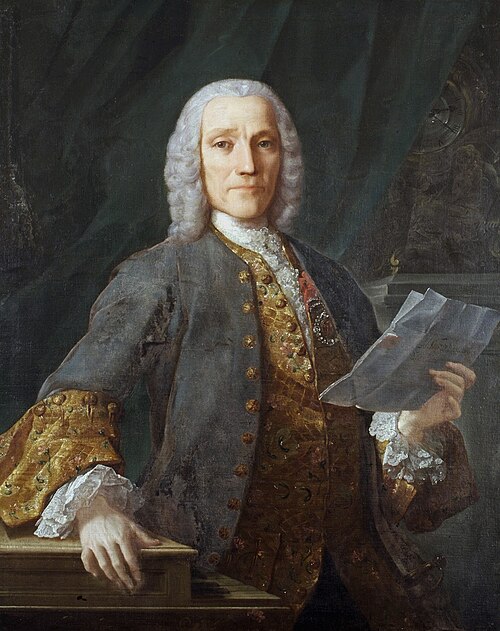
It is Domenico Scarlatti’s most ambitious sacred work, written probably in Rome around 1715, when he was maestro of the Cappella Giulia at St Peter’s, years before settling on the Iberian peninsula and devoting himself almost entirely to the keyboard. It is written for ten voices and basso continuo, and its writing reveals a composer trained in Roman polyphony in the manner of Palestrina, but with dissonances and chromaticisms proper to the Baroque.
Scarlatti divides the text of the medieval sequence into contrasting sections, alternating passages for full choir with reduced groups and fugues, and exploits the density of the ten voices to create effects of light and shade. It belongs to the same tradition as Pergolesi’s Stabat Mater, although it leans more towards the architectural than the melodic.
The Tudor Consort
- Duration
- 24 min
- Source
- The Tudor Consort
- Archive
- Internet Archive
- Licence
- CC BY 3.0
Wellington chamber choir (New Zealand) that publishes its concerts under CC BY on the Free Music Archive; mirrored on the Internet Archive.