Context
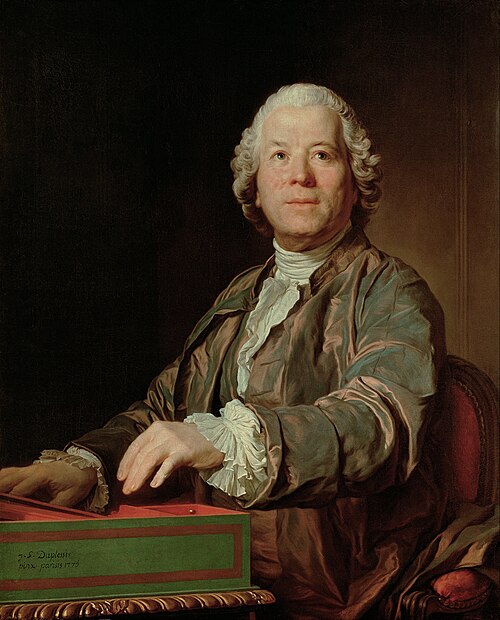
Orfeo ed Euridice was premiered at the Burgtheater in Vienna on 5 October 1762, in the presence of Empress Maria Theresa, to a libretto by Ranieri de’ Calzabigi. It was the first of Gluck’s reform operas, which sought to replace the convoluted plots and vocal display of opera seria with a “noble simplicity”. Orfeo was sung by the castrato Gaetano Guadagni; for Paris, in 1774, Gluck adapted the role for a high tenor.
“Che farò senza Euridice” comes in the third act, when Orfeo, having turned to look at his wife, loses her for the second time. It is a rondo in a major key, without openly grieving harmonies, and its power depends on the performer; Gluck warned that the slightest change of tempo or expression would turn it into a saltarello for puppets.
The Norwegian soprano Kirsten Flagstad, a celebrated Isolde and Brünnhilde, recorded it on 27 May 1948 with the Philharmonia and Walter Susskind.
Kirsten Flagstad, Philharmonia Orchestra, Walter Susskind
- Duration
- 4 min
- Source
- Emilio's 78 heritage
- Archive
- Internet Archive
Grabada el 27 de mayo de 1948 (HMV DB 6912, matriz 2EA 13072).