Context
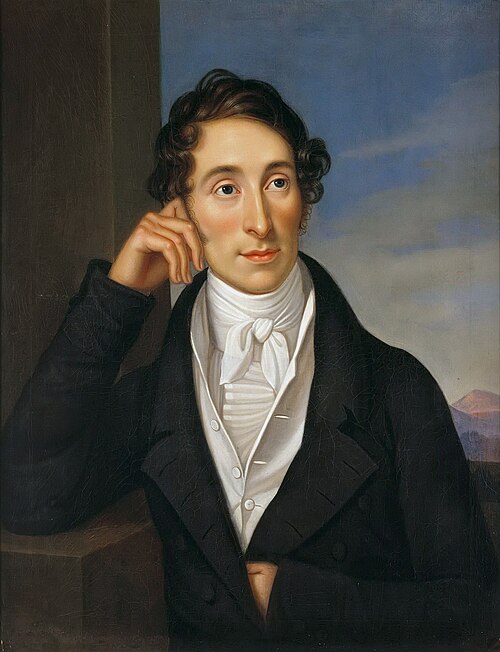
Weber began the Sonata No. 2 in 1814 and finished it in 1816 in Prague, where he had directed the Opera since 1813. A pianist of the first rank, he wrote four sonatas for his instrument; this one, in A flat major, is the most lyrical and the one that best shows Weber the pianist in transition towards Romanticism.
The first movement, broad and songful, builds its themes with tremolos, arpeggiated chords and passages in octaves that range across the whole keyboard. The Andante begins calm and solemn, swells in a powerful central section and returns to the opening calm. The third movement is entitled Menuetto capriccioso, but in tempo and character it is closer to a scherzo. The final rondo, Moderato e molto grazioso, sparkling and easy-going, foreshadows the elegance of the Invitation to the Dance, which Weber would compose in 1819.
Alfred Cortot, one of the great interpreters of the Romantic repertoire of the twentieth century, recorded it on 10 March 1939 in Studio 3 at Abbey Road for HMV.
Alfred Cortot
- Duration
- 23 min
- Archive
- Wikimedia Commons
- Licence
- Public domain (dedication)
Grabada el 10 de marzo de 1939 en el estudio 3 de Abbey Road para HMV; transfer de la Médiathèque Musicale Mahler (París).