Context
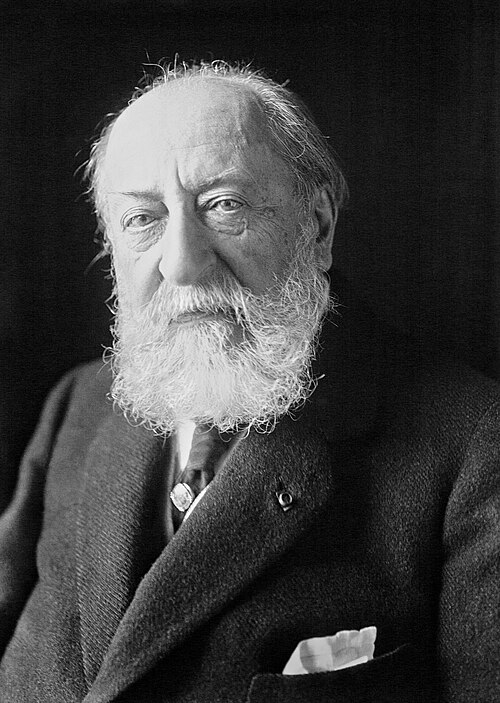
Saint-Saëns composed it in Luxor, during one of his frequent winter stays in Egypt, twenty years after the Concerto No. 4. He premiered it himself on 2 June 1896 at the Salle Pleyel, at the concert celebrating the fiftieth anniversary of his debut as a pianist. It was the last of his five piano concertos.
The composer said the work represented a sea voyage. The Allegro animato alternates a luminous theme with a more melancholy one. The Andante, the source of the nickname “Egyptian”, is built on a Nubian love song that Saint-Saëns heard from the boatmen of the Nile; at the end, piano and orchestra imitate the croaking of frogs and the chirping of crickets. The Molto allegro suggests at the outset the noise of a ship’s propellers; in 1899 Saint-Saëns reused its themes in the Toccata of the Études, Op. 111.
The Brazilian pianist Magda Tagliaferro, a pupil and friend of Cortot, recorded it in Paris in 1954 with the Orchestre Lamoureux and Jean Fournet.
Magda Tagliaferro, Orchestre des Concerts Lamoureux, Jean Fournet
- Duration
- 29 min
- Archive
- Wikimedia Commons
- Licence
- Public domain (dedication)
Grabado en 1954 en la Salle Apollo de París y publicado en LP por Philips (Epic en EE. UU.); transfer de la Médiathèque musicale Mahler en Wikimedia Commons, dominio público.