Context
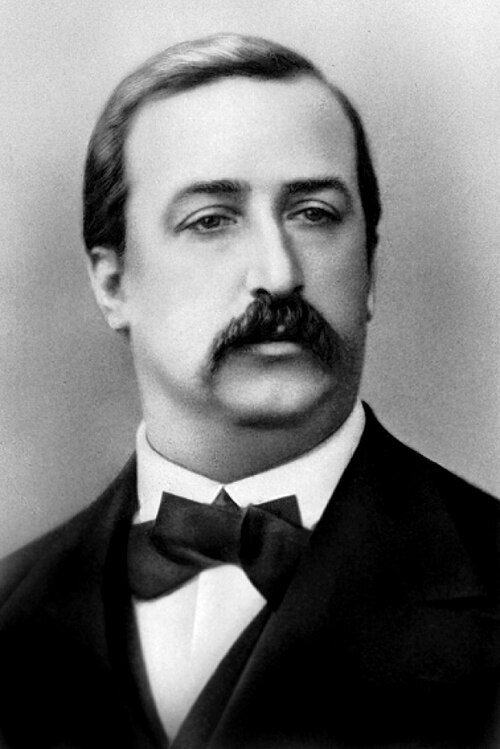
These dances close the Polovtsian camp act of Prince Igor, Borodin’s opera about the campaign of a twelfth-century Russian prince against the Polovtsians, a nomadic people of the steppe. Borodin, a chemist by profession and a composer in his spare time, worked on it for almost twenty years and left it unfinished; Rimsky-Korsakov and Glazunov completed it and it was first performed in 1890.
Khan Konchak offers Igor, his prisoner, a spectacle to persuade him to join him. The dances follow one another with very different characters: the slow, undulating melody of the slave girls, which would later become the song Stranger in Paradise in the musical Kismet, a wild dance of the men, a general dance and one of the boys that accelerates to the end. This recording by Dimitri Mitropoulos with the New York Philharmonic, from 1953, presents them in four parts.
New York Philharmonic, Dimitri Mitropoulos
- Duration
- 14 min
- Source
- Transfer by Bob Varney
- Archive
- Internet Archive
- Licence
- CC0 1.0 · public domain
From the Columbia LP of the 1950s.